
News & Insights
Triple Silver Low-E Glass: Is It Worth the Upgrade?
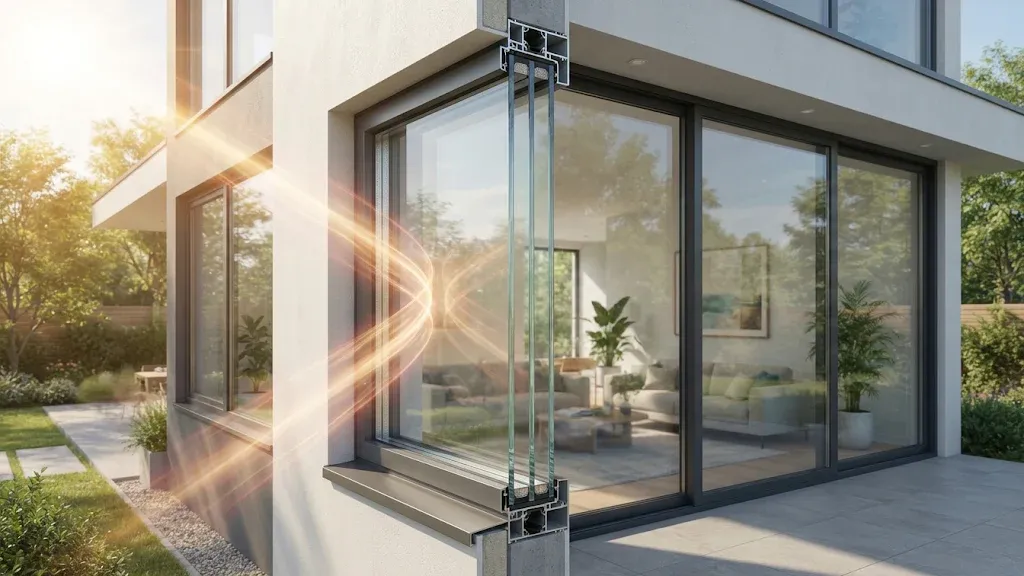
Triple Silver Low-E Glass is becoming an increasingly popular choice for modern commercial buildings, high-performance façades, and energy-efficient windows. But is upgrading from double silver Low-E glass really worth the additional investment?
The answer depends on the building’s location, climate, energy requirements, and architectural design. Understanding the differences can help developers, architects, and glass contractors make a more informed decision.
1. What Is Triple Silver Low-E Glass?
Triple Silver Low-E Glass is a high-performance coated glass featuring three silver layers within a multi-layer coating structure. These silver layers work together with dielectric protective layers to selectively control solar radiation and thermal energy.
Its primary advantages include:
- Better solar control: Reduces the transmission of unwanted solar infrared energy.
- High visible light transmission: Allows natural daylight into buildings while limiting excessive solar heat gain.
- Improved energy efficiency: Helps reduce cooling demand in hot climates and supports better thermal performance when used in suitable insulated glass units.
- Enhanced architectural appearance: Offers different levels of transparency, reflectivity, and neutral color options.
Compared with conventional Low-E coatings, triple silver technology generally provides better spectral selectivity, allowing more visible light to pass through while reducing unwanted solar energy.
2. Triple Silver vs. Double Silver Low-E Glass
The main difference is the number of silver layers and the resulting balance between daylight transmission and solar control.
| Performance Factor | Double Silver Low-E | Triple Silver Low-E |
|---|---|---|
| Silver layers | Two | Three |
| Solar control | Good | Generally higher |
| Visible light transmission | High | High, depending on coating |
| Solar heat gain | Moderate to low | Can achieve lower SHGC |
| Energy efficiency | High | Very high potential |
| Initial cost | Generally lower | Generally higher |
For example, some commercially available triple silver products achieve visible light transmission of approximately 60–62% while maintaining a Solar Heat Gain Coefficient (SHGC) of approximately 0.24–0.26.
These figures demonstrate how triple silver technology can balance daylight and solar control. However, actual performance depends on the specific coating and glass configuration.
It is important to compare complete insulated glass unit specifications rather than judging performance only by the number of silver layers.
3. What Are the Main Benefits of Triple Silver Low-E Glass?
Better Solar Heat Control
In commercial buildings with large glass façades, excessive solar heat gain can significantly increase air-conditioning requirements.
Triple Silver Low-E Glass selectively reduces solar energy entering the building while maintaining useful natural daylight.
This makes it particularly suitable for office buildings, shopping centers, hotels, and other projects with extensive glazing.
More Natural Daylight
Reducing solar heat does not necessarily mean creating darker interiors.
High-performance triple silver coatings can maintain relatively high visible light transmission while controlling solar radiation.
This balance helps architects achieve bright interior spaces without relying excessively on tinted or highly reflective glass.
Potential Energy Savings
By reducing unwanted solar heat gain, properly specified triple silver insulated glass units can help lower cooling loads.
The actual energy savings depend on several factors, including:
- Building orientation and geographical location.
- Window-to-wall ratio.
- Insulation performance of the glass and frames.
- HVAC system efficiency.
- External shading and building design.
Triple silver glass should therefore be evaluated as part of the complete building envelope rather than as an isolated product.
4. Is Triple Silver Low-E Glass Suitable for Every Project?
Not necessarily.
Although triple silver technology offers excellent solar-control potential, it may not always be the most economical choice.
Consider triple silver Low-E glass when:
- The building has extensive curtain wall glazing.
- The project is located in a hot or sunny climate.
- Reducing solar heat gain is a major design priority.
- High daylight transmission is required.
- The building has demanding energy-efficiency targets.
Consider double silver Low-E glass when:
- The project has a more moderate energy-performance requirement.
- The budget is relatively limited.
- Solar control requirements can be achieved with a less expensive coating.
- The building design prioritizes a particular appearance or higher solar heat gain.
Architects should also consider glass color, external reflectivity, coating compatibility, thermal stress, and the final insulated glass configuration.
5. How Should Buyers Evaluate Triple Silver Low-E Glass?
For developers, contractors, and glass distributors, selecting the right product requires more than comparing prices.
The following technical parameters deserve particular attention:
- Visible Light Transmittance (VLT): Determines how much natural daylight passes through the glazing.
- Solar Heat Gain Coefficient (SHGC): Measures the fraction of incident solar energy that enters the building as heat.
- U-Value: Measures heat transfer through the glazing. A lower value generally indicates better insulation.
- External Reflectance: Influences the appearance of the building façade.
- Insulated Glass Configuration: Glass thickness, cavity width, argon filling, spacer systems, and coating position all influence overall performance.
Buyers should request technical data for the complete glass assembly and confirm that the selected product meets project specifications.
6. Tianhou Glass: Supporting High-Performance Architectural Glass Projects
At Guangdong Tianhou Glass Engineering Co., Ltd., we understand that different architectural projects require different combinations of solar control, thermal insulation, safety, and visual appearance.
Based in Zhuhai, Guangdong, Tianhou Glass operates an approximately 20,000-square-meter production facility, providing architectural glass processing solutions for commercial buildings, residential developments, and engineering projects.
Our product range includes Low-E glass, tempered glass, laminated glass, insulated glass, curtain wall glass, and customized architectural glass solutions.
When evaluating a high-performance Low-E glass project, our approach focuses on the complete application rather than simply recommending the most expensive coating.
For example, a commercial curtain wall project in a hot climate may benefit from triple silver Low-E insulated glass to reduce unwanted solar heat gain while maintaining sufficient daylight. However, the final recommendation should be based on the required SHGC, VLT, U-value, façade orientation, and project budget.
By combining glass processing capabilities with project-specific technical evaluation, Tianhou Glass helps customers identify suitable glazing solutions for their architectural requirements.
7. Final Verdict: Is Triple Silver Low-E Glass Worth the Upgrade?
For buildings with large glass façades, high cooling demands, and strict energy-efficiency requirements, Triple Silver Low-E Glass can be a worthwhile investment.
Its ability to balance natural daylight and solar heat control makes it an attractive option for modern commercial architecture.
However, the best solution is not always the one with the most silver layers. Double silver Low-E glass may provide sufficient performance at a lower cost for many projects.
The key is to evaluate the complete glazing system, compare verified technical specifications, and select glass according to the building’s actual requirements.
Looking for a reliable architectural glass manufacturer?
Contact Tianhou Glass for customized Low-E glass, insulated glass, curtain wall glass, and other architectural glazing solutions for your next project.