
News & Insights
Ultra-Clear Glass: Benefits for Premium Architectural Projects
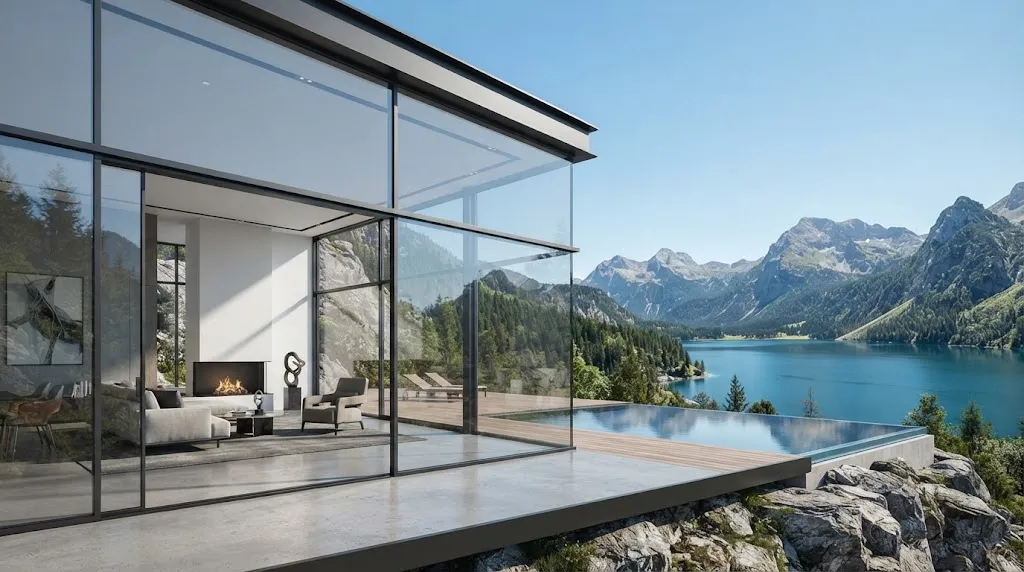
In modern architecture, glass is more than a building material. It influences natural lighting, visual comfort, interior aesthetics, and the overall appearance of a building.
For premium residential developments, luxury hotels, commercial buildings, museums, and high-end retail spaces, ultra-clear glass has become an increasingly popular choice.
Also known as low-iron glass, ultra-clear glass offers higher transparency and more natural color reproduction than conventional clear float glass. It helps architects achieve cleaner visual effects while maintaining the flexibility required for modern architectural applications.
1. What Is Ultra-Clear Glass?
Ultra-clear glass is a type of low-iron float glass manufactured using raw materials with significantly reduced iron oxide content.
Ordinary clear float glass naturally has a slight green tint because of iron impurities in its composition. This green appearance becomes more noticeable along exposed edges and in thicker glass panels.
By reducing iron content, ultra-clear glass minimizes this green tint, producing a more neutral and transparent appearance.
For reference, typical 6 mm clear float glass has visible light transmittance of approximately 89%, while low-iron glass can achieve approximately 90% or higher. Actual performance depends on the manufacturer, thickness, and product specification.
Some specialized commercial products achieve visible light transmission above 91%.
2. Key Benefits of Ultra-Clear Glass
Higher Light Transmission
One of the most important advantages of ultra-clear glass is its high visible light transmission.
It allows more natural daylight to enter interior spaces, helping create brighter and more open environments.
This makes it particularly suitable for:
- Glass curtain wall systems
- Large glass windows and doors
- Atriums and skylights
- Luxury residential buildings
- Commercial office buildings
For buildings designed around natural lighting, ultra-clear glass helps maintain a clean and unobstructed visual connection between indoor and outdoor spaces.
More Natural Color Appearance
Traditional clear glass can introduce a noticeable green tone, especially when viewed through thick panels or along exposed edges.
Ultra-clear glass significantly reduces this effect.
This is particularly valuable for luxury retail stores, museums, exhibition spaces, and high-end interior decorations, where accurate color presentation matters.
Products, artwork, furniture, and architectural finishes can be viewed with less color distortion from the glass itself.
Premium Architectural Appearance
Modern architectural design increasingly emphasizes transparency, minimalism, and seamless visual connections.
Ultra-clear glass supports these design objectives through its neutral appearance and cleaner edges.
It is frequently selected for frameless glass partitions, glass railings, entrance systems, display structures, and premium curtain wall applications.
Flexible Glass Processing
Ultra-clear glass can be further processed into different architectural glass products, depending on the selected substrate and processing specifications.
Common options include:
- Ultra-clear tempered glass
- Ultra-clear laminated glass
- Ultra-clear insulated glass units
- Ultra-clear Low-E glass
- Ultra-clear curved glass
- Decorative ultra-clear glass
These options allow architects and contractors to combine transparency with requirements for safety, thermal performance, and design flexibility.
3. Where Is Ultra-Clear Glass Used?
Premium residential buildings
Large windows, glass balconies, and frameless partitions benefit from the neutral appearance of low-iron glass. It creates a more seamless connection between indoor spaces and outdoor landscapes.
Luxury hotels and commercial buildings
Hotels and commercial developments use ultra-clear glass for entrances, curtain walls, lobby partitions, and decorative features to create bright, sophisticated environments.
Museums and retail displays
For museums and premium retail environments, color neutrality and visual clarity are essential. Ultra-clear glass helps visitors see displayed objects with minimal green color interference.
4. Ultra-Clear Glass vs. Standard Clear Glass
| Feature | Standard Clear Glass | Ultra-Clear Glass |
|---|---|---|
| Iron content | Normal | Significantly reduced |
| Visible appearance | Slight green tint | More neutral |
| Light transmission | Generally lower | Generally higher |
| Edge appearance | Greenish | Much clearer |
| Color reproduction | Slight color influence | More natural |
| Typical applications | General glazing | Premium architectural projects |
The difference becomes particularly noticeable in thicker glass panels, laminated assemblies, and applications with exposed glass edges.
However, the final optical performance of processed glass also depends on coatings, interlayers, surface treatments, and the complete glazing configuration.
5. Tianhou Glass: Custom Ultra-Clear Glass Solutions
As a professional architectural glass manufacturer based in Zhuhai, Guangdong, China, Tianhou Glass provides glass processing solutions for architectural, commercial, and engineering projects.
With a manufacturing facility of approximately 20,000 square meters and experience in architectural and safety glass processing since 2011, Tianhou Glass supports different project requirements through customized glass fabrication.
For premium architectural projects, our processing solutions can include:
- Ultra-clear tempered glass for architectural applications.
- Ultra-clear laminated glass for safety-oriented glazing.
- Insulated glass units for building envelope applications.
- Customized glass panels for curtain walls, doors, and windows.
- Special dimensions, edge polishing, drilling, and other fabrication requirements.
Project application example:
For a premium hotel or commercial building featuring large glass entrances and transparent interior partitions, Tianhou Glass can help coordinate ultra-clear glass specifications, panel dimensions, edge finishing, and appropriate safety glass configurations.
By considering the architectural design, installation conditions, and performance requirements together, we help project buyers select suitable glass solutions rather than simply purchasing standard glass panels.
As a direct factory supplier, Tianhou Glass supports customized manufacturing and project-based glass supply for customers in international markets.
6. How to Choose the Right Ultra-Clear Glass?
Before purchasing ultra-clear glass for an architectural project, buyers should evaluate several important factors:
1. Glass Thickness
Glass thickness affects optical appearance, structural performance, and edge color. Select the appropriate thickness according to panel dimensions and engineering requirements.
2. Safety Requirements
For doors, partitions, railings, and other safety-critical applications, consider tempered or laminated glass in accordance with applicable building regulations.
3. Thermal Performance
For exterior curtain walls and windows, ultra-clear glass can be combined with Low-E coatings and insulated glass configurations to meet energy-efficiency requirements.
4. Optical Specifications
Request technical data for visible light transmittance, color characteristics, and other relevant optical properties. Evaluate the complete processed glass assembly rather than relying only on the original float glass specifications.
5. Manufacturer Capability
Choose a supplier with reliable glass processing equipment, quality control procedures, and experience handling customized architectural glass orders.
Conclusion
Ultra-clear glass offers an excellent combination of transparency, natural color appearance, and architectural flexibility. It is particularly valuable for premium buildings where visual quality and material aesthetics are important.
From luxury hotels and commercial facades to residential glazing and museum displays, low-iron glass provides architects and developers with more possibilities for creating elegant, transparent spaces.
Tianhou Glass provides customized architectural and safety glass processing solutions to support different project requirements. Contact our team to discuss your ultra-clear glass specifications and receive a project-based quotation.
Frequently Asked Questions
Q1: Is ultra-clear glass the same as low-iron glass?
Yes. Ultra-clear glass is commonly used to describe low-iron glass, which contains significantly less iron oxide than standard clear float glass.
Q2: Does ultra-clear glass transmit more light than standard glass?
Generally, yes. Its reduced iron content allows higher visible light transmission compared with standard clear glass of the same thickness.
Q3: Can ultra-clear glass be tempered?
Yes. Ultra-clear glass can be processed into tempered glass, provided the substrate and processing specifications are suitable.
Q4: Is ultra-clear glass suitable for curtain walls?
Yes. It can be used in curtain wall systems, including laminated and insulated configurations, depending on the project’s structural, safety, and thermal requirements.
Q5: Does Tianhou Glass supply customized ultra-clear glass?
Tianhou Glass provides customized architectural glass processing solutions. Customers can discuss required dimensions, thicknesses, processing methods, and project specifications with our sales team.