
News & Insights
Laminated Glass Solutions for a High-Rise Building Project
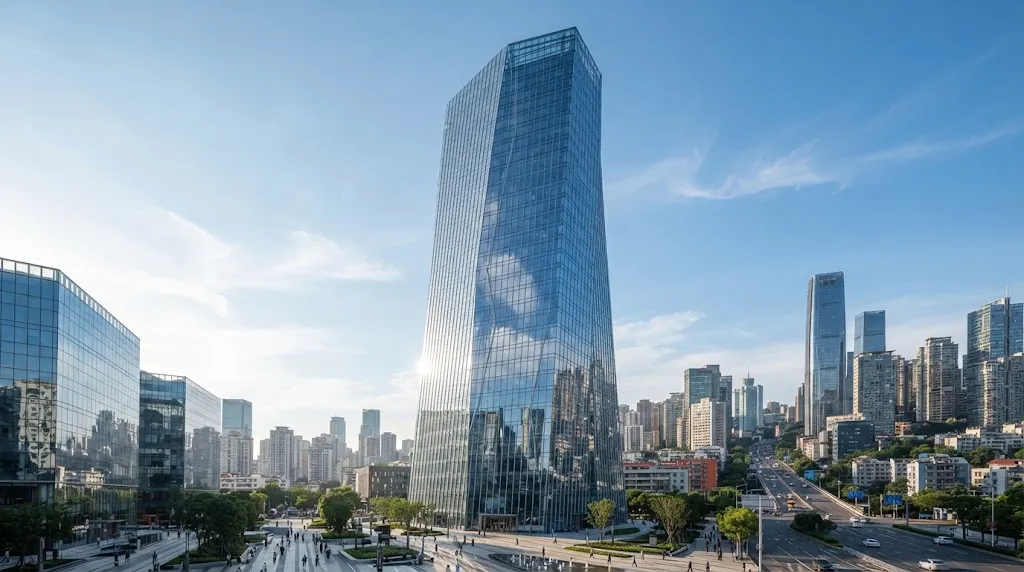
High-rise buildings require glazing systems that balance safety, structural performance, energy efficiency, and architectural appearance. Laminated glass is an important option for these projects because its interlayer helps hold glass fragments together when the glass breaks, reducing the risk of falling debris.
For developers, architects, facade contractors, and glass distributors, selecting the right laminated glass is an essential part of building design.
1. Why Choose Laminated Glass for High-Rise Buildings?
Laminated glass typically consists of two or more glass panes bonded together with an interlayer, such as polyvinyl butyral (PVB).
Its main advantages include:
- Enhanced safety: The interlayer helps retain broken glass fragments and can reduce the risk of injury.
- Wind-load design flexibility: Laminated glass can incorporate heat-strengthened or fully tempered glass to meet project-specific structural requirements.
- Acoustic performance: Appropriate glass combinations and interlayers can help reduce noise transmission.
- Security options: Specially designed laminated glass systems can provide enhanced resistance to impact and forced entry.
- Design flexibility: Clear, tinted, coated, and other compatible glass types can be incorporated into laminated assemblies.
Actual performance depends on the glass composition, interlayer, dimensions, installation system, and project conditions. Laminated glass alone does not guarantee a particular level of impact resistance, sound insulation, or wind-load performance.
2. Common Applications in High-Rise Projects
Laminated glass can be used in several areas of commercial and residential buildings.
Glass curtain walls: Laminated glass can be combined with Low-E coatings and insulating glass units to support facade safety and thermal performance.
Balconies and glass railings: Properly specified laminated safety glass helps retain fragments after breakage. The complete railing system must also meet applicable load and safety requirements.
Windows and doors: Laminated glazing can provide additional safety and acoustic benefits in residential towers, hotels, and office buildings.
Canopies and overhead glazing: Laminated glass is commonly considered where retaining broken glass is important, subject to the applicable structural and safety requirements.
For high-rise facades, engineers should assess wind pressure, panel dimensions, glass deflection, edge support, thermal stress, and local building codes before finalizing the specification.
3. How to Select the Right Laminated Glass
Choosing laminated glass involves more than specifying a thickness. Project teams should evaluate the following factors:
- Glass configuration: Determine the required number of panes, glass thickness, and whether heat-treated glass is necessary.
- Interlayer selection: PVB and ionoplast interlayers, among other options, have different properties. Selection should reflect the required safety, structural, and acoustic performance.
- Thermal efficiency: For energy-conscious high-rise buildings, consider laminated glass within an insulating glass unit incorporating an appropriate Low-E coating.
- Applicable standards: ASTM C1172 and the ISO 12543 series provide relevant specifications for laminated architectural glass and laminated safety glass. The applicable requirements depend on the project location and intended use.
- Fabrication and installation: Confirm dimensional tolerances, edge quality, compatibility with the framing system, and quality-control requirements.
Working with an experienced glass processor early in the design stage can help reduce specification errors, fabrication delays, and installation risks.
4. Tianhou Glass: Architectural Glass Solutions for Building Projects
Guangdong Tianhou Glass Engineering Co., Ltd. is a glass deep-processing company based in Zhuhai, Guangdong, China, serving architectural and construction projects.
Tianhou Glass provides customized architectural glass solutions, including laminated glass, tempered glass, insulating glass, Low-E glass, and glass for curtain wall applications.
One example of Tianhou Glass’s project experience is Fushan Smart Manufacturing Town, where the curtain wall system used double-silver Low-E insulating laminated glass. The project involved approximately 103,657 square meters of curtain wall glazing.
This project illustrates the role of combined glazing technologies in large-scale building envelopes, where thermal performance, facade requirements, and product consistency must be considered together.
For new high-rise projects, Tianhou Glass can work with buyers and project teams to evaluate glass configurations, processing requirements, and customized production needs. Final specifications should be confirmed against project drawings, structural calculations, and applicable standards.
5. Request a Laminated Glass Solution for Your Project
Whether you are developing a residential tower, commercial building, hotel, or mixed-use complex, selecting the right laminated glass system starts with understanding the project’s technical requirements.
When requesting a quotation from Tianhou Glass, prepare the following information where available:
- Glass dimensions and required thickness
- Glass composition and interlayer requirements
- Low-E coating and insulating glass specifications
- Wind-load, safety, and acoustic performance requirements
- Project location, estimated quantity, and delivery schedule
Looking for a laminated glass supplier for your next high-rise project? Contact Tianhou Glass to discuss your drawings, specifications, and customized architectural glass requirements.